

Insadong
인사동
About Insadong
Insadong — Seoul's Living Cultural Heart
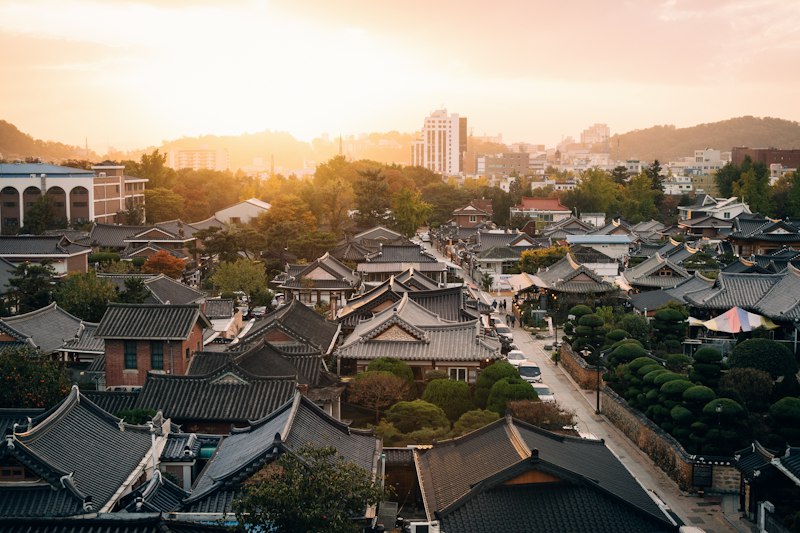
Insadong is Seoul's most storied neighbourhood for traditional Korean arts and culture — a 700-metre street where antique dealers, celadon galleries, hanji (Korean paper) shops, calligraphy studios, and traditional tea houses have operated alongside one another for generations. While much of Seoul races toward the ultramodern, Insadong deliberately slows down.
The main street (Insadong-gil) is closed to cars on weekends, becoming a pedestrian promenade where street performers, folk artists, and vendors of ddalgona, hodduk, and traditional sweets set up stalls. Branching off the main street are dozens of quieter alleys — Ssamziegil's courtyard complex, gallery-dense Insadong 10-gil, and the herb-scented lanes near Jogyesa Temple, Seoul's principal Buddhist temple.
Why visit
- Authentic traditional culture: Antique furniture, joseon-era ceramics, ink brush sets, and hanji products — the real thing, not tourist replicas
- Gallery scene: Over 100 commercial galleries in walking distance make this the most concentrated art market in Korea
- Tea culture: Traditional cha houses serve ssanghwacha, yujacha, and makgeolli in centuries-old interiors
- Street food: Ddalgona (the original, not the Squid Game version), ssiat-hotteok, gultteok, and gukhwa-ppang are Insadong-only experiences
- Jogyesa Temple: The headquarters of Korean Buddhism in the middle of downtown Seoul — always serene regardless of the crowds outside
- Ssamziegil: A spiralling open-air courtyard of independent shops, cafés, and craft stalls built around a central performance space
Getting there: Anguk Station (Line 3) Exit 6. Jonggak Station (Line 1) Exit 3. The main street is a 5-minute walk from either.
Quick Info
- Local Name
- 인사동
- Region
- Seoul Korea
- Best Season
- Spring, Autumn