
Destinations
Explore Korea's most beautiful cities and regions
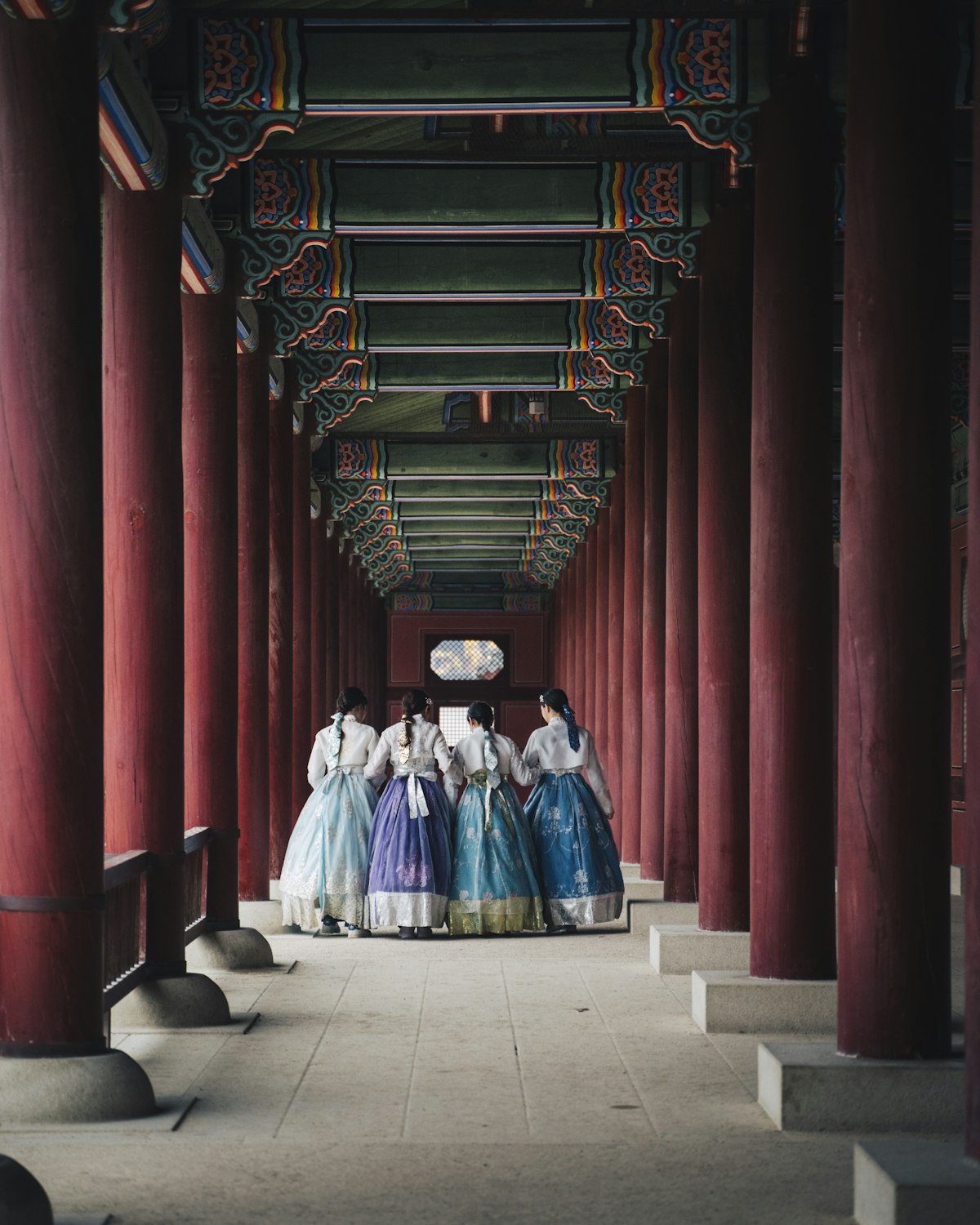
Korea's spiritual and cultural heartland — home to UNESCO-listed Hahoe Folk Village, ancient Confucian academies, and centuries-old traditions that have survived virtually intact into the modern age. ## Must-Visit Places - **Hahoe Folk Village (하회마을)** — A living UNESCO World Heritage village where aristocratic Joseon-era clan houses and thatched-roof homes still stand along a river bend; one of Korea's most photographed spots - **Dosan Seowon** — Korea's most revered Confucian academy, founded by the great scholar Yi Hwang (Toegye); serene gardens and mountain backdrop - **Andong Hahoe Mask Museum** — Deep dive into Korea's shamanistic mask tradition, with original masks dating back 600+ years - **Bongjeongsa Temple** — One of Korea's oldest wooden buildings in a secluded mountain valley, an hour from the city - **Woryeonggyo Bridge** — Korea's longest wooden pedestrian bridge, stunningly lit at night ## Food & Dining - **Andong Jjimdak (안동 찜닭)** — The city's most famous dish: braised chicken with glass noodles, vegetables, and a soy-based sauce; the original restaurant alley is in downtown Andong - **Heotjesabap** — A rice-and-side-dish meal traditionally prepared for ancestral rites; simple, elegant, and deeply satisfying - **Andong Soju** — Traditional grain distilled liquor (45% ABV) with a smooth, complex flavor — a world apart from commercial soju - **Salted mackerel (간고등어)** — Andong's famous preserved mackerel, salted and transported from the coast before refrigeration existed ## Must-Buy Shopping - **Andong Soju (안동소주)** — Artisan-distilled soju in gift bottles, the top local souvenir - **Traditional Masks (탈)** — Hand-painted replica Hahoe masks in various sizes; iconic wall decorations - **Hemp Cloth Products (삼베)** — Andong is Korea's hemp weaving center; handwoven scarves, pouches, and table runners - **Andong Salted Mackerel** — Vacuum-packed for travel; available at the traditional market
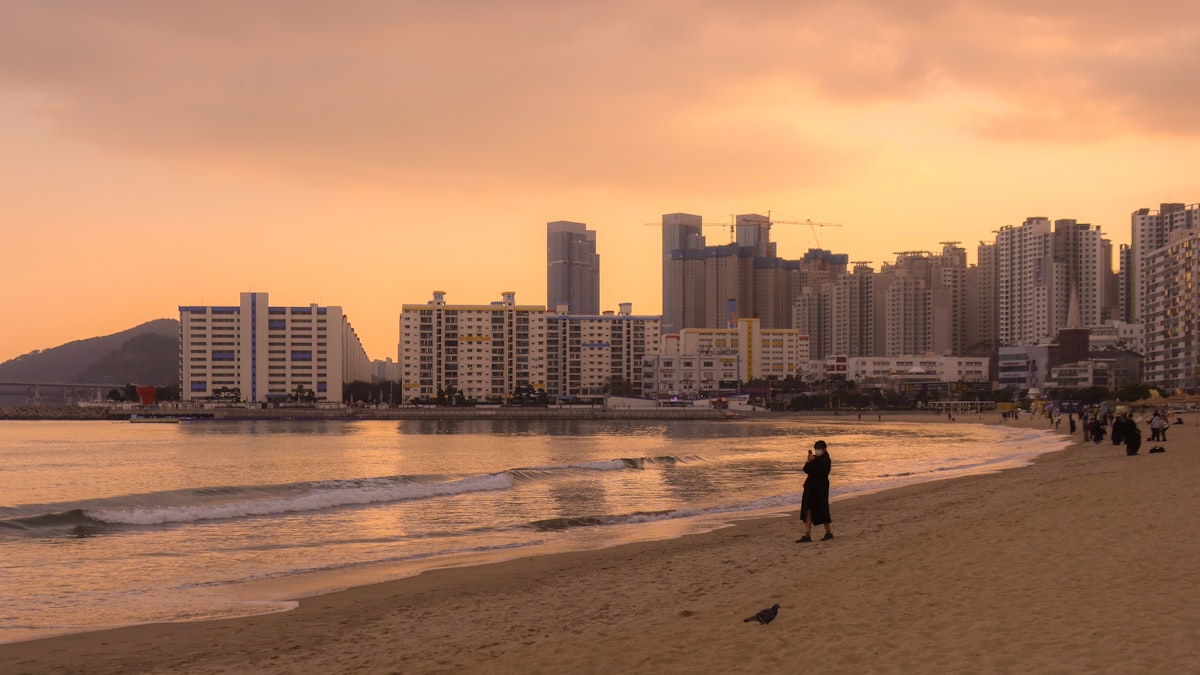
Busan is Korea's second-largest city and undisputed seafood capital — a vibrant port town where dramatic mountain scenery meets white-sand beaches and one of Asia's busiest fish markets. ## Must-Visit Places - **Haeundae Beach** — Korea's most famous beach, stretching 1.5 km with crystal-clear water. Packed and electric in summer. - **Gamcheon Culture Village** — The "Machu Picchu of Busan": a hillside neighborhood painted in a rainbow of colors, filled with murals and tiny galleries. - **Jagalchi Fish Market** — Korea's largest seafood market. Buy fresh catches on the ground floor and have them cooked upstairs on the spot. - **Taejongdae Resort Park** — Rugged coastal cliffs at Busan's southern tip. Take the miniature train around the dramatic rocky shoreline. - **Beomeosa Temple** — A serene 678 AD Buddhist temple nestled in the forested foothills of Geumjeongsan Mountain. - **Gwangalli Beach & Bridge** — Famous for its neon-lit Gwangan Bridge backdrop at night; a favorite spot for evening beer and seafood pojangmacha. ## Food & Dining - **Dwaeji Gukbap** — Pork and rice soup, Busan's ultimate comfort food. Best in Seomyeon area. - **Milmyeon** — Wheat flour noodles served cold in a tangy broth — a Busan-only specialty. - **Fresh Sashimi (Hoe)** — Ultra-fresh raw fish at Jagalchi Market or Millak Raw Fish Town, right by the sea. - **Ssiat Hotteok** — A Busan twist on the sweet pancake, stuffed with seeds and brown sugar. Queue at Nampo-dong. - **Eo-muk (Fish Cake)** — Skewered fish cake simmered in hot broth, a winter street food staple. ## Must-Buy Shopping - **Dried Seafood** — Dried squid, anchovy, and seaweed at Jagalchi Market make ideal souvenirs. - **Nampodong Fashion Street** — Affordable Korean fashion and accessories. - **Gijang Seaweed (Gim)** — Premium dried seaweed from Gijang, famous across Korea for its quality.
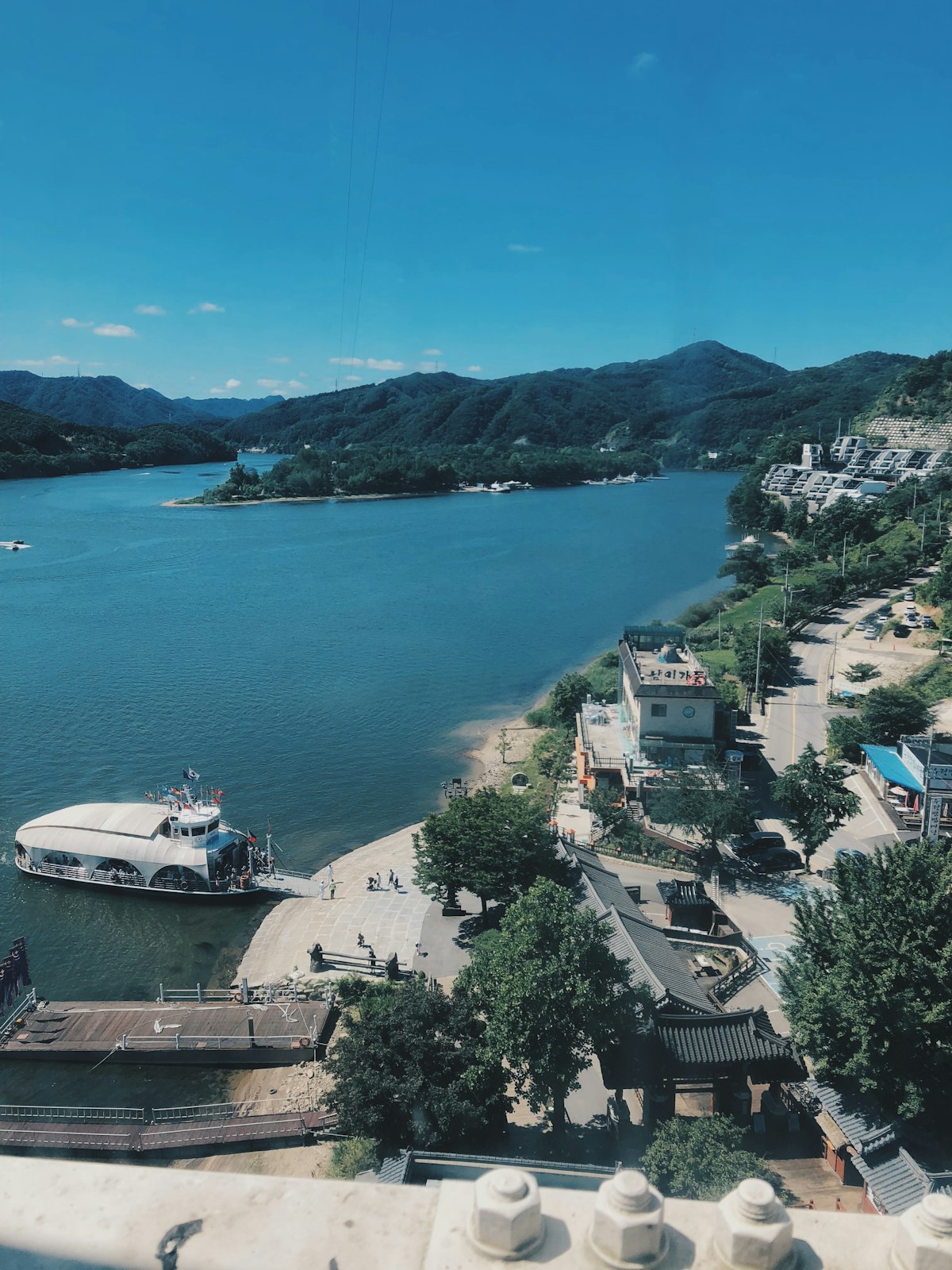
Chuncheon is the romantic lake city of Gangwon Province — birthplace of dakgalbi, gateway to the beloved Nami Island, and a destination where glittering lakes, mountain mists, and hearty flavors define the experience. ## Must-Visit Places - **Nami Island (Namiseom)** — One of Korea's most romantic destinations, an island carpeted with towering tree-lined avenues famous for autumn foliage and winter snow. Reached by ferry or zip-line. - **Petite France** — A whimsical French-themed cultural village on the lakeside, popular with K-drama fans. - **Chuncheon Lake (Uiamho)** — A large, serene reservoir surrounded by mountains, perfect for kayaking and sunset walks. - **Soyang Dam & Lake** — Korea's largest rockfill dam, creating a dramatic reservoir; take a lake cruise. - **Chuncheon Myeongdong Dakgalbi Street** — The legendary street where dozens of dakgalbi restaurants compete for the title of best in the world. ## Food & Dining - **Dakgalbi** — Chuncheon's defining dish. Spicy marinated chicken stir-fried with rice cakes, cabbage, and sweet potato on a cast-iron pan at your table. - **Makguksu (Buckwheat Noodles)** — Cold buckwheat noodles with a tangy dressing. Best after dakgalbi. - **Dak Galbi + Fried Rice Finish** — After finishing the chicken, add rice, sesame oil, and seaweed and fry it all on the hot pan. Non-negotiable. - **Chuncheon Makgeolli** — Local rice wine perfectly paired with makguksu and mountain air. ## Must-Buy Shopping - **Dakgalbi Sauce Kits** — Packaged Chuncheon-style dakgalbi marinade sauce for home cooking. - **Buckwheat Products** — Buckwheat noodles, flour, and tea from local producers. - **Nami Island Souvenirs** — Official Namisum merchandise: postcards and season-themed goods. - **Gangwon Wild Honey (Dol Kkul)** — Raw, unfiltered mountain honey from Gangwon Province beekeepers.
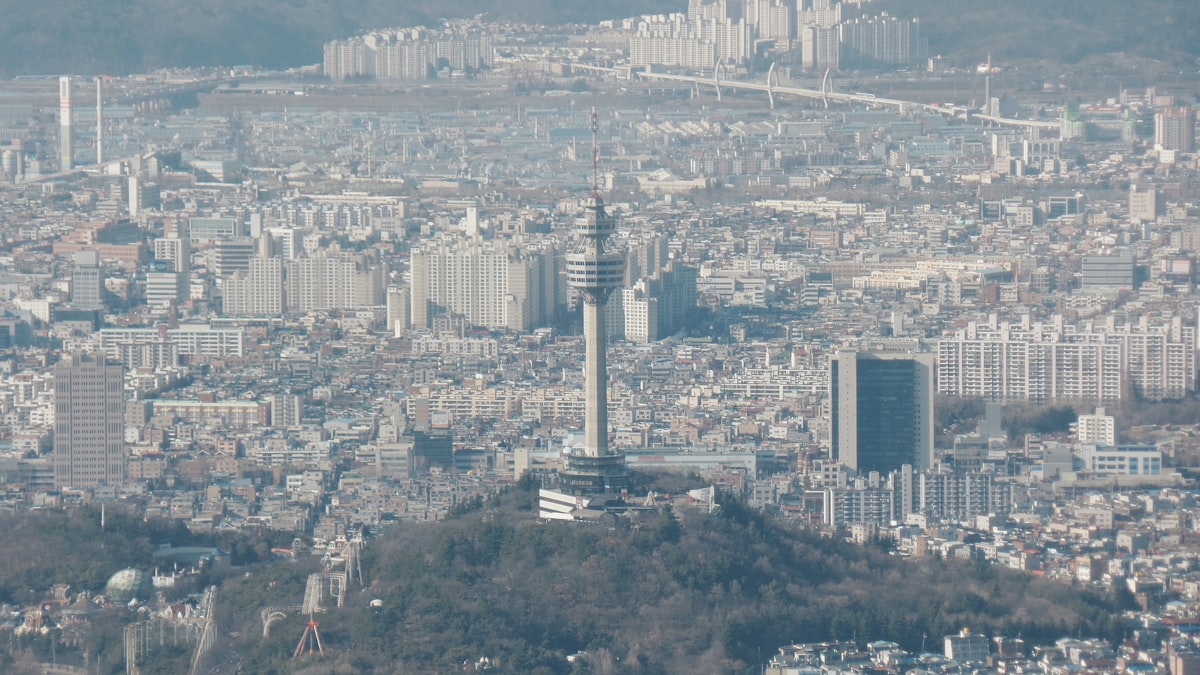
Korea's fashion and textile powerhouse — a warm, energetic city famous for its vibrant shopping alleys, spicy cuisine, ancient Buddhist temples, and some of the country's hottest summers. ## Must-Visit Places - **Seomun Market** — One of Korea's three largest traditional markets; a maze of textiles, street food, and handmade goods open since the Joseon era - **Dongseongno Street** — The city's main pedestrian boulevard lined with fashion boutiques, cafés, and live performances - **Palgongsan Provincial Park** — Sacred mountain north of the city with the famous stone Buddha Gatbawi and breathtaking hiking trails - **Dalseong Park** — Ancient earth fortress converted into a park and small zoo in the heart of downtown - **Daegu Modern History Road** — A walking trail past colonial-era buildings, old medicine streets, and cultural heritage sites - **83 Tower** — Landmark skyscraper with an observation deck and revolving restaurant overlooking the city basin ## Food & Dining - **Makchang Gui** — Grilled beef intestines; Daegu is the undisputed capital of this smoky, chewy delicacy - **Napjak Mandu** — Flat, pan-fried dumplings with a thin crispy skin unique to Daegu - **Spicy Dak-galbi** — Daegu's version is notably hotter than other cities' - **Seomun Market Sundae** — Blood sausage and offal platters served at market stalls - **Jungang Chicken Alley** — The birthplace of Korean fried chicken; dozens of original shops still operate here ## Must-Buy Shopping - **Textiles & Fashion** — Daegu's Seomun Market and Chilseong Market are wholesale hubs for fabrics, clothing, and accessories - **Herbal Medicine** — Yangnyeong Traditional Medicine Market is Korea's largest medicinal herb market — pick up blends for health teas - **Apple Products** — Daegu's surrounding Gyeongbuk region produces Korea's best apples; buy fresh or as dried chips - **Handmade Glasses** — Daegu is Korea's eyewear manufacturing center; affordable custom frames at Patron and local opticians
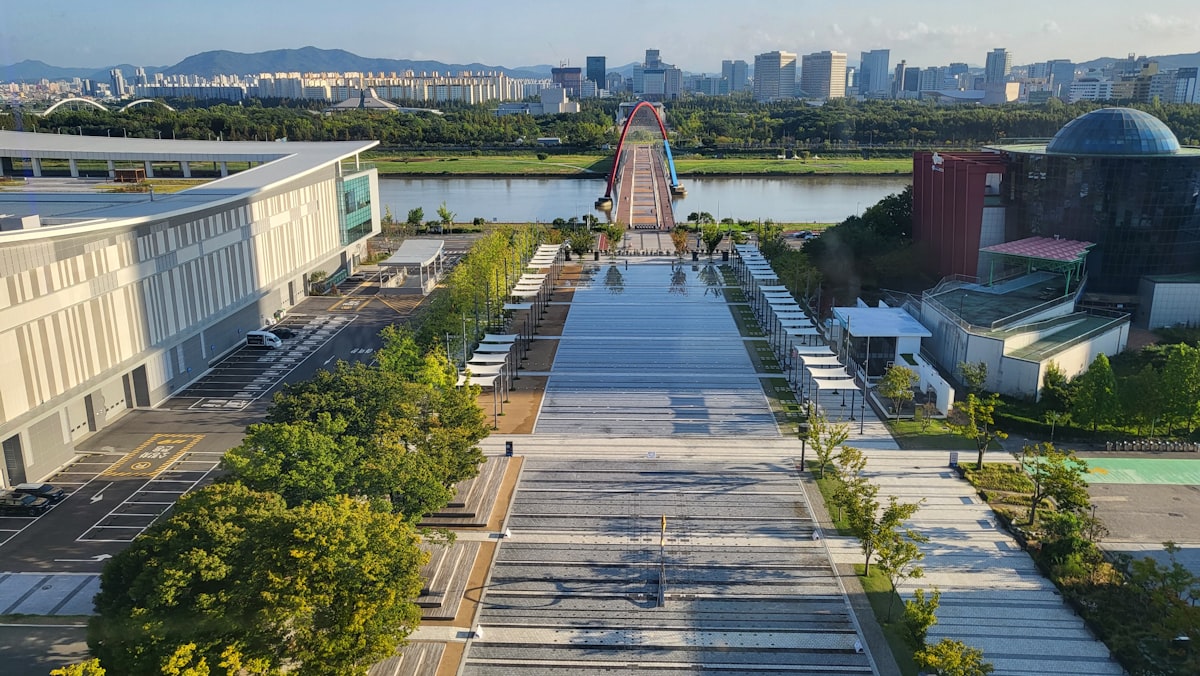
Korea's science capital — a modern city nestled among gentle mountains, blending cutting-edge research institutes with vibrant street food culture and easy access to the rest of the country. ## Must-Visit Places - **Expo Science Park** — Legacy of the 1993 World Expo; home to the iconic Hanbit Tower with panoramic city views - **Yuseong Hot Springs** — Natural geothermal baths in the heart of the city, perfect for a relaxing soak - **National Science Museum** — Huge hands-on museum covering space, technology, and natural history - **Gyeryongsan National Park** — Sacred mountain at the city's edge with ancient temples and dramatic ridge walks - **Bomunsan** — City hiking mountain with fortress ruins and a reservoir park below - **O-World** — Family-friendly zoo and amusement park with seasonal flower festivals ## Food & Dining - **Sundubu Jjigae** — Silky soft tofu stew; Daejeon's Yuseong neighborhood is famous for this dish - **Dak-galbi** — Spicy stir-fried chicken; dozens of restaurants clustered around the university districts - **Gungdong Jokbal Golmok** — An entire alley dedicated to braised pig's trotter restaurants - **Daejeon Sikppang** — The city's beloved sweet bread; pick up a box at any local bakery - **Hannamdong Cafe Street** — Trendy coffee shops and dessert bars popular with students and young professionals ## Must-Buy Shopping - **Daejeon Sikppang (대전 식빵)** — Pillowy milk bread sold in gift boxes, a beloved local souvenir - **Gyeryongsan Herbal Teas** — Medicinal herb blends sourced from the mountain's temple gardens - **Science-themed goods** — Unique stationery and gifts at Expo Science Park and the National Science Museum shops - **Hanok Village Crafts** — Handmade ceramics and lacquerware from the traditional craft market near Chungnam National University

## Gangnam — Seoul's Glamorous South Side Gangnam is Seoul's most affluent and internationally recognised district — immortalised by Psy's global hit and the cultural phenomenon of K-pop and K-beauty. Stretching south of the Han River, it encompasses the tree-lined avenues of Apgujeong, the luxury boutiques of Cheongdam-dong, the underground shopping labyrinth of COEX, and the idol agency headquarters that draw fans from across the world. **Why visit** - **K-pop & K-culture**: SM, YG, HYBE (Big Hit), and JYP entertainment offices are all within reach — official SM Town store, K-pop-themed cafés, and artist pop-up exhibitions - **Luxury & beauty**: Rodeo Street in Apgujeong, Korea's answer to Beverly Hills; Cheongdam-dong's flagship designer boutiques and high-end Korean skincare clinics - **Food & nightlife**: Garosugil's tree-shaded café boulevard, Sinchon-style cocktail bars, and some of Seoul's finest tasting-menu restaurants - **Shopping**: COEX Mall (underground city), Starfield COEX, and the Bongeunsa Temple — a 1,200-year-old Buddhist sanctuary surrounded by skyscrapers **Getting there**: All major subway lines connect Gangnam. Line 2 (Gangnam, Sinnonhyeon), Line 9, and Bundang Line provide easy access from central Seoul and Incheon Airport.
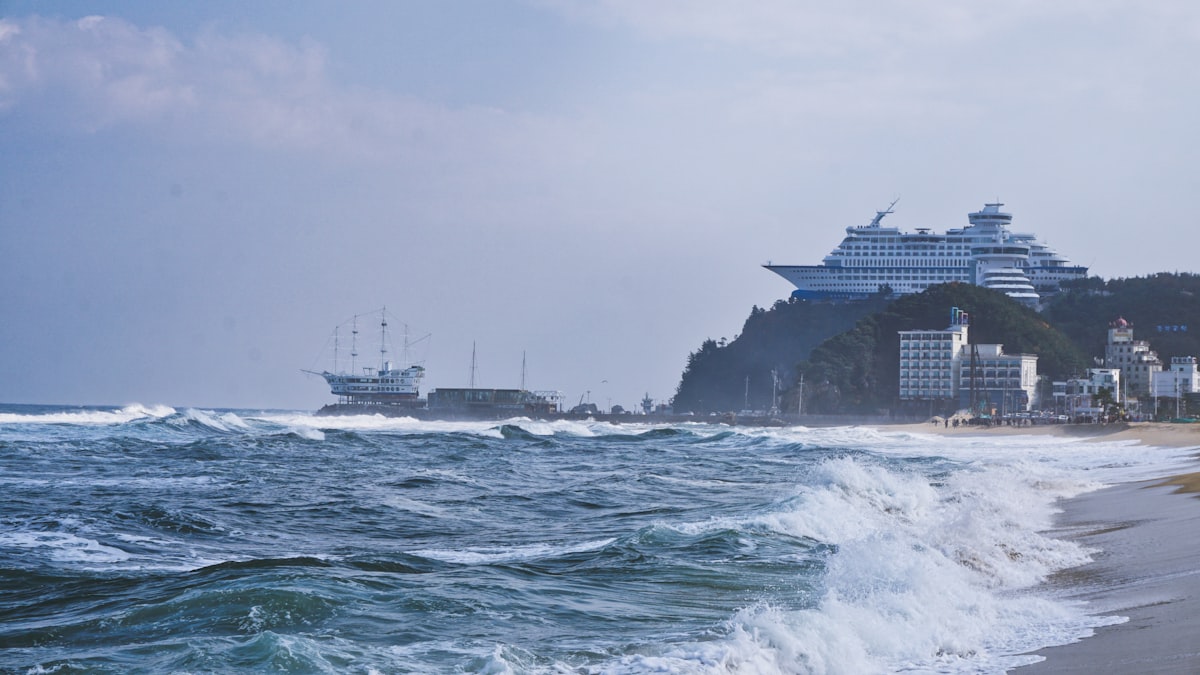
Gangneung is Korea's coffee capital and cultural gem on the East Coast — a city of wind-swept pine forests, historic Confucian estates, beautiful Gyeongpo Beach, and a world-class artisan coffee scene. ## Must-Visit Places - **Gyeongpo Lake & Gyeongpo Beach** — A vast coastal lagoon separated from the sea by pine forest. Stroll the lakeside path or relax on the pristine sandy beach. - **Ojukheon House** — A 500-year-old Confucian scholar's home where the great scholar Yulgok Yi I was born, surrounded by black bamboo. - **Haslla Art World** — A breathtaking sculpture park and contemporary art museum perched on a cliff overlooking the East Sea. - **Gangneung Coffee Street (Anmok)** — The birthplace of Korea's craft coffee culture. Dozens of artisan cafés line the beachfront road. - **Jeongdongjin Beach** — The world's closest beach to a train station; famous for sunrise watching. ## Food & Dining - **Chodang Sundubu (Soft Tofu)** — Ultra-smooth, silken tofu made using seawater from the East Sea. Best eaten warm in Chodang village. - **Gyeongpodae Haemul Pajeon** — Crispy seafood scallion pancakes with a view of the lake. - **Coffee & Artisan Desserts** — Gangneung's café culture is world-class; try single-origin pourover along Anmok Beach. - **Pine Mushroom Cuisine** — Gangwon's prized pine mushrooms featured in seasonal rice dishes and soups. ## Must-Buy Shopping - **Gangneung Coffee Beans** — Single-origin roasted beans from Bohemian, Terarosa, or local micro-roasters. - **Chodang Tofu Products** — Packaged fresh soft tofu and tofu-based snacks. - **Ojukheon Black Bamboo Crafts** — Items crafted from Gangneung's distinctive black bamboo. - **Pine Mushroom Oils & Sauces** — Gourmet condiments featuring the region's celebrated pine mushrooms.
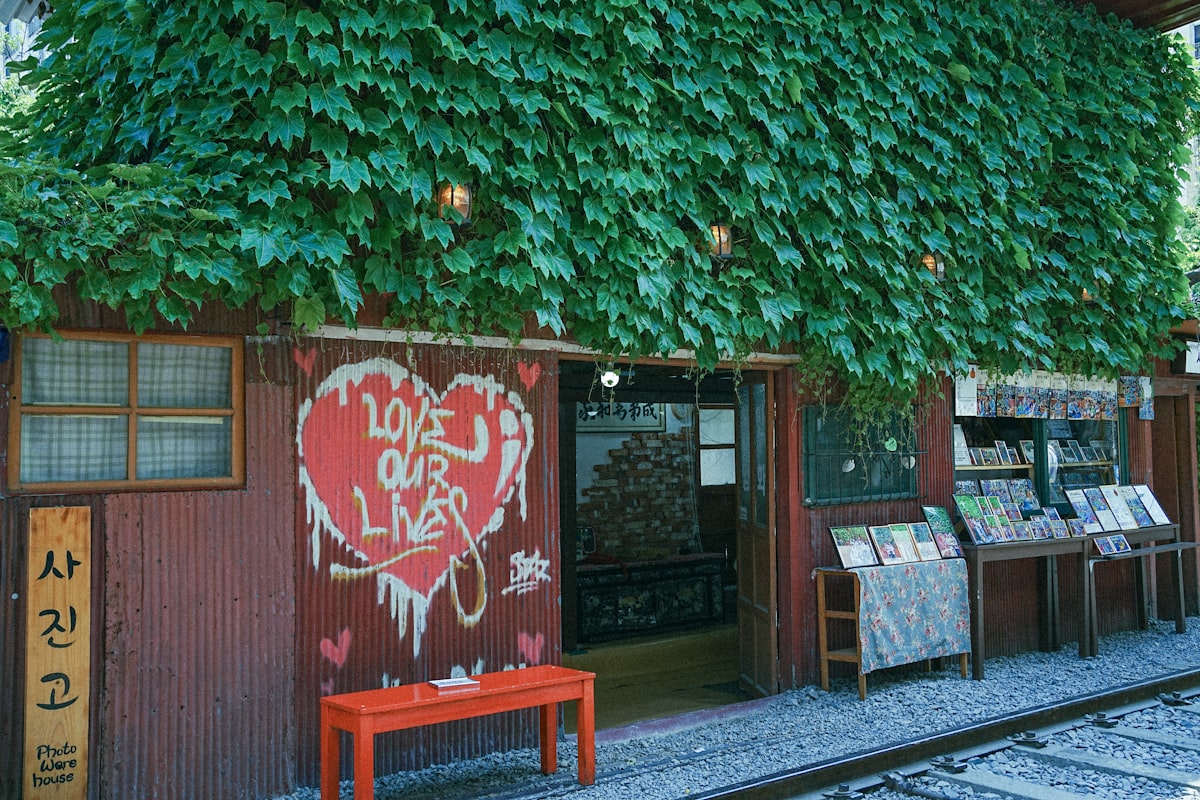
A port city frozen in time — Gunsan's remarkably preserved Japanese colonial-era streetscapes, vintage cafés, and legendary bakeries make it one of Korea's most atmospheric destinations for history lovers and food enthusiasts alike. ## Must-Visit Places - **Modern History Museum (근대역사박물관)** — Excellent museum chronicling Gunsan's colonial past, with reconstructed streets and period artifacts - **Sinheung-dong Japanese House (신흥동 일본식 가옥)** — A stunning early 20th-century Japanese merchant's mansion, now a cultural heritage site open to visitors - **Eunpa Lake Park (은파호수공원)** — A peaceful lake park beloved by locals, especially beautiful at sunset - **Jaepo Lighthouse (채만식 문학관)** — Literary museum dedicated to novelist Chae Man-sik, whose works captured colonial-era Gunsan - **Gunjang Village (군장 산업단지 문화마을)** — Murals and art installations in a retro-industrial neighborhood ## Food & Dining - **Gunsan ppang culture** — The city has an extraordinary concentration of artisan bakeries; bread culture runs deep here - **Isungdang Bakery (이성당)** — Korea's oldest continuously operating bakery (est. 1945); the red-bean pastries and custard cream bread have a cult following nationwide - **Hoe (회) & Seafood** — Fresh raw fish and shellfish platters at the harbor fish markets - **Gunsan Jjamppong** — The local spicy seafood noodle soup, influenced by the city's Chinese-Korean community ## Must-Buy Shopping - **Isungdang Pastries** — Box of anpan and custard buns for friends and family; queues form early - **Salted Crab (간장게장 간편 세트)** — Ready-to-travel marinated crab products from the harbor market - **Colonial-era Postcards & Prints** — Vintage-style prints of Gunsan's historic streetscapes sold at museum gift shops - **Local Makgeolli** — Artisan rice wine brewed in the region, sold at traditional markets
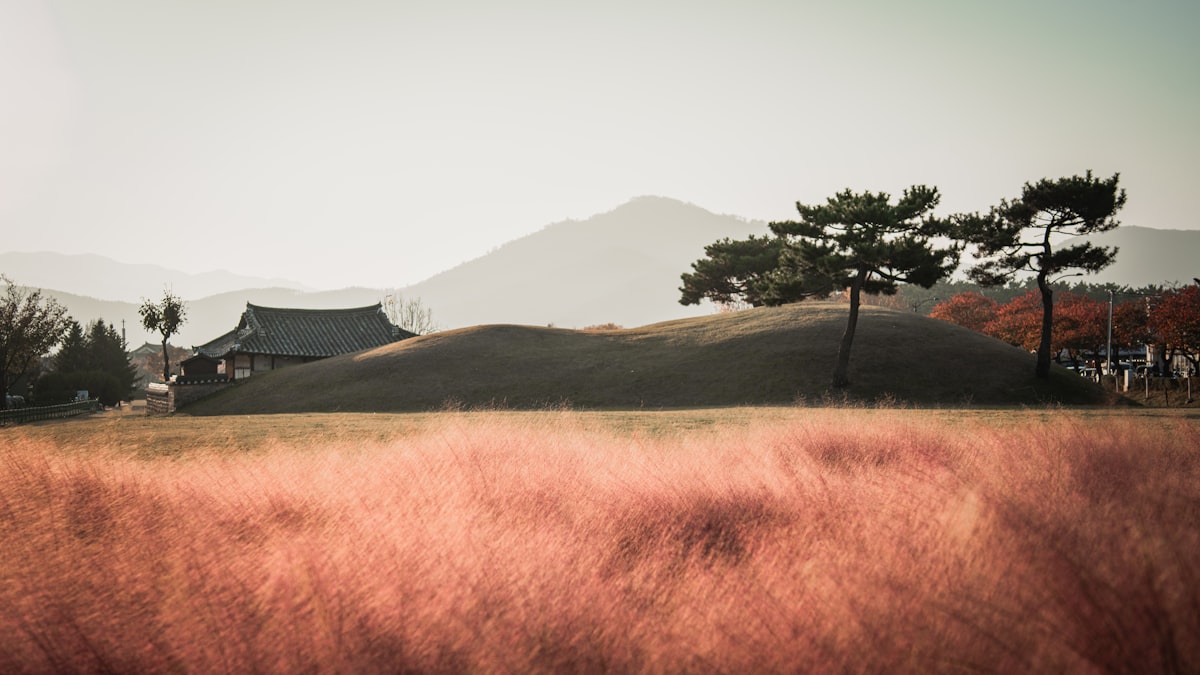
Gyeongju is Korea's open-air museum — the ancient capital of the Silla Kingdom for almost a thousand years. Every hill may hide a royal tomb, every stone a relic. A UNESCO World Heritage city like no other. ## Must-Visit Places - **Bulguksa Temple** — A UNESCO World Heritage masterpiece of Silla architecture, built in 528 AD. The stone pagodas Dabotap and Seokgatap are iconic. - **Seokguram Grotto** — A granite cave enshrining a magnificent stone Buddha overlooking the East Sea, carved in the 8th century. - **Tumuli Park (Daereungwon)** — A vast park of enormous royal burial mounds rising like green hills from the city center. - **Cheomseongdae Observatory** — The oldest surviving astronomical observatory in Asia, built in the 7th century. - **Anapji Pond (Donggung Palace)** — Silla's royal pleasure garden, dating to 674 AD. Hauntingly beautiful when lit up at night. - **Gyeongju National Museum** — Home to the spectacular Emille Bell and thousands of Silla treasures. ## Food & Dining - **Hwangnam Bread (Gyeongju Bread)** — Small round pastries filled with sweet red bean paste, baked fresh since 1939. - **Ssambap** — A royal Silla-inspired set meal with dozens of small vegetable side dishes and lettuce wraps. - **Gyeongju Beopju (Rice Wine)** — A centuries-old traditional rice wine, famously smooth and slightly fizzy. - **Yukgaejang** — Fiery beef and veggie shredded soup, popular throughout the city. ## Must-Buy Shopping - **Gyeongju Bread** — Buy fresh from Hwangnam Bakery, the original shop since 1939. - **Beopju Rice Wine** — Traditional Korean rice wine in beautifully packaged ceramic bottles. - **Replica Silla Artifacts** — Gold crown replicas and accessories inspired by Silla royal treasures. - **Barley Products** — Barley tea, barley cookies, and noodles are popular local products.
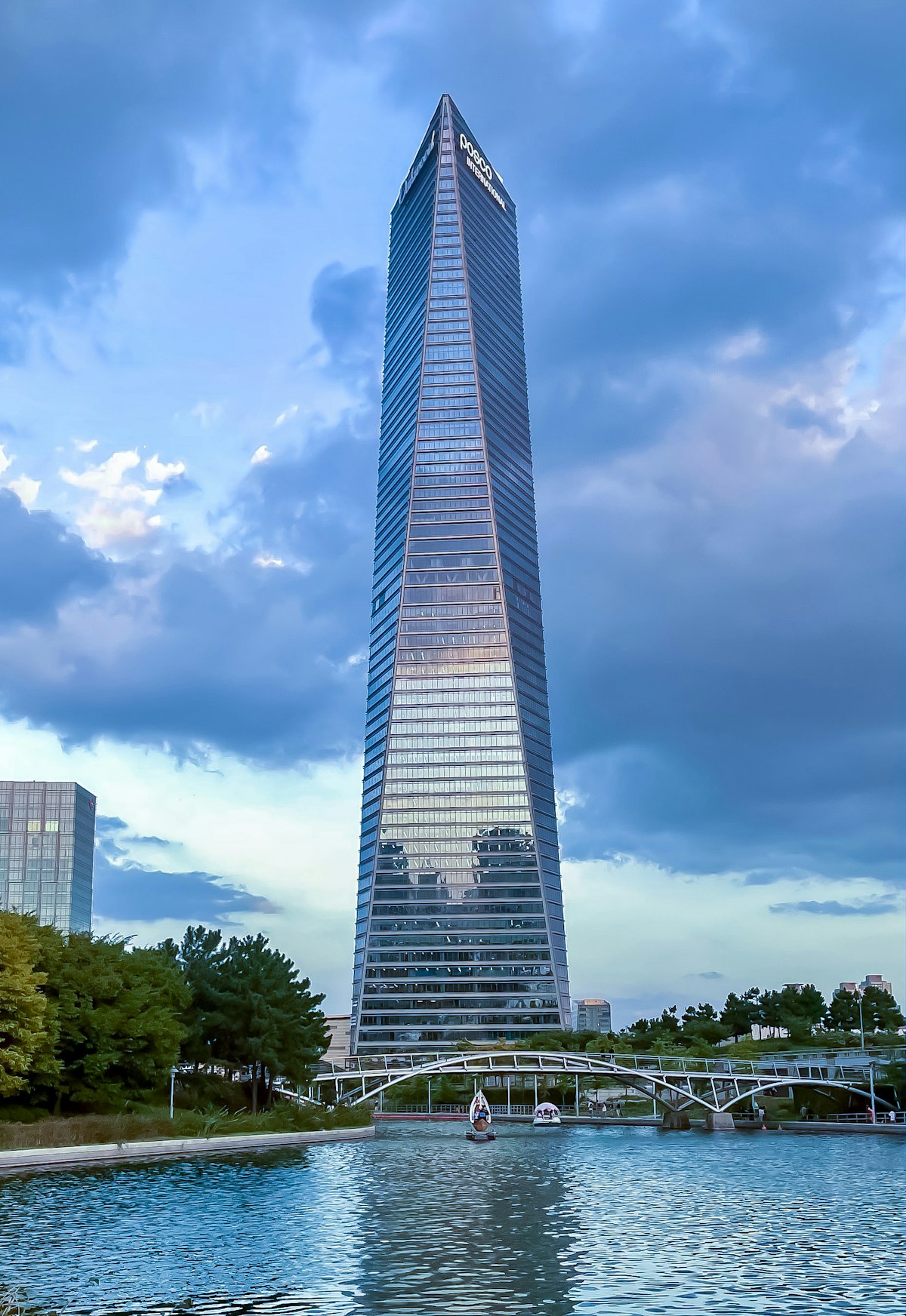
Incheon is Korea's gateway to the world — home to one of Asia's finest international airports, a thriving Chinatown, futuristic Songdo district, and island-hopping adventures just offshore. ## Must-Visit Places - **Incheon Chinatown** — Korea's only official Chinatown, established in 1883. Wander the red-gated streets and sample Chinese-Korean fusion dishes. - **Songdo International Business District** — A purpose-built smart city rising from reclaimed land, with Central Park, canals, and cutting-edge architecture. - **Wolmido Island** — A beloved leisure island with seaside amusement parks, fresh seafood restaurants, and ferry access to outer islands. - **Jayu (Freedom) Park** — Korea's first Western-style park with a General MacArthur statue and sweeping harbor views. - **Ganghwa Island** — Rich in prehistoric dolmens (UNESCO) and Goryeo-era fortifications. - **Open Port Street (Gaehangjang)** — A heritage district showcasing early 20th-century Japanese and Chinese colonial architecture. ## Food & Dining - **Jajangmyeon (Black Bean Noodles)** — This Korean-Chinese classic was born in Incheon's Chinatown in the early 1900s. - **Tangsuyuk** — Crispy sweet-and-sour pork, the essential companion to jajangmyeon. - **Wolmido Seafood** — Fresh grilled clams, steamed crab, and spicy octopus from the West Sea. - **Gejang (Raw Marinated Crab)** — "Rice thief" — marinated raw crab so delicious it makes you eat three extra bowls of rice. ## Must-Buy Shopping - **Duty-Free at Incheon Airport** — One of the world's best duty-free experiences; Korean cosmetics, spirits, and electronics. - **Chinatown Mooncakes & Pineapple Cakes** — Traditional Chinese pastries in ornate gift boxes. - **Ganghwa Hwamunseok Mat** — Intricately woven traditional mats from Ganghwa Island, a centuries-old local craft.

## Insadong — Seoul's Living Cultural Heart Insadong is Seoul's most storied neighbourhood for traditional Korean arts and culture — a 700-metre street where antique dealers, celadon galleries, hanji (Korean paper) shops, calligraphy studios, and traditional tea houses have operated alongside one another for generations. While much of Seoul races toward the ultramodern, Insadong deliberately slows down. The main street (Insadong-gil) is closed to cars on weekends, becoming a pedestrian promenade where street performers, folk artists, and vendors of ddalgona, hodduk, and traditional sweets set up stalls. Branching off the main street are dozens of quieter alleys — Ssamziegil's courtyard complex, gallery-dense Insadong 10-gil, and the herb-scented lanes near Jogyesa Temple, Seoul's principal Buddhist temple. **Why visit** - **Authentic traditional culture:** Antique furniture, joseon-era ceramics, ink brush sets, and hanji products — the real thing, not tourist replicas - **Gallery scene:** Over 100 commercial galleries in walking distance make this the most concentrated art market in Korea - **Tea culture:** Traditional cha houses serve ssanghwacha, yujacha, and makgeolli in centuries-old interiors - **Street food:** Ddalgona (the original, not the Squid Game version), ssiat-hotteok, gultteok, and gukhwa-ppang are Insadong-only experiences - **Jogyesa Temple:** The headquarters of Korean Buddhism in the middle of downtown Seoul — always serene regardless of the crowds outside - **Ssamziegil:** A spiralling open-air courtyard of independent shops, cafés, and craft stalls built around a central performance space **Getting there:** Anguk Station (Line 3) Exit 6. Jonggak Station (Line 1) Exit 3. The main street is a 5-minute walk from either.
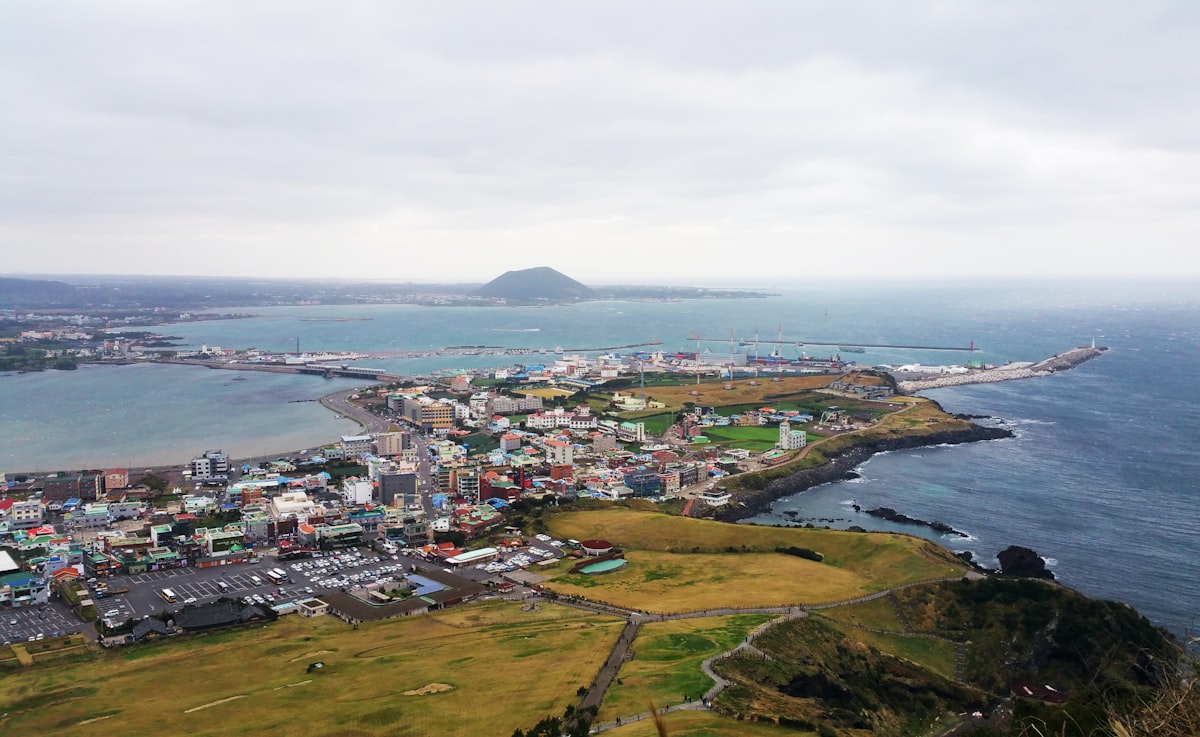
Jeju Island is Korea's most beloved escape — a volcanic paradise of dramatic lava cliffs, emerald seas, cascading waterfalls, and the iconic Hallasan volcano. A UNESCO triple crown destination. ## Must-Visit Places - **Hallasan National Park** — Korea's highest peak (1,950 m). The summit hike rewards with a stunning volcanic crater lake. - **Seongsan Ilchulbong (Sunrise Peak)** — A dramatic UNESCO-listed tuff cone rising from the sea. Sunrise here is unforgettable. - **Manjanggul Cave** — One of the world's longest lava tube caves, stretching 13.4 km. - **Jusangjeolli Cliffs** — Perfectly hexagonal basalt columns stacked like organ pipes along the coastline. - **Hamdeok Beach** — Jeju's most picturesque beach, with turquoise shallow water and a walkable reef at low tide. - **Cheonjeyeon & Cheonjiyeon Waterfalls** — Twin jewels of Jeju's natural beauty, surrounded by lush subtropical forest. ## Food & Dining - **Heuk Dwaeji (Black Pork BBQ)** — Jeju's iconic black pigs produce uniquely rich, tender meat. Grilled samgyeopsal here is on another level. - **Abalone (Jeonbok)** — Freshly caught by Jeju's haenyeo (women divers). Try jeonbok juk (abalone porridge) or raw abalone sashimi. - **Hallabong & Tangerine Products** — Jeju's sweet tangerines and hallabong citrus are legendary. - **Bing-su (Shaved Ice)** — Try Jeju-style hallabong or green tea flavored shaved ice. - **Okdom (Red Tilefish)** — A Jeju delicacy often dried and grilled; subtle in flavor and highly prized. ## Must-Buy Shopping - **Jeju Tangerine Products** — Dried tangerine peel tea, hallabong chocolate, citrus jam, and tangerine-infused cosmetics. - **Innisfree Jeju Products** — Jeju volcanic mineral skincare and green tea line from the flagship store. - **Dol Hareubang** — Stone grandfather figurines are the quintessential Jeju keepsake. - **Jeju Green Tea Products** — Tea bags, matcha powder, and sweets from Osulloc's Jeju farms.
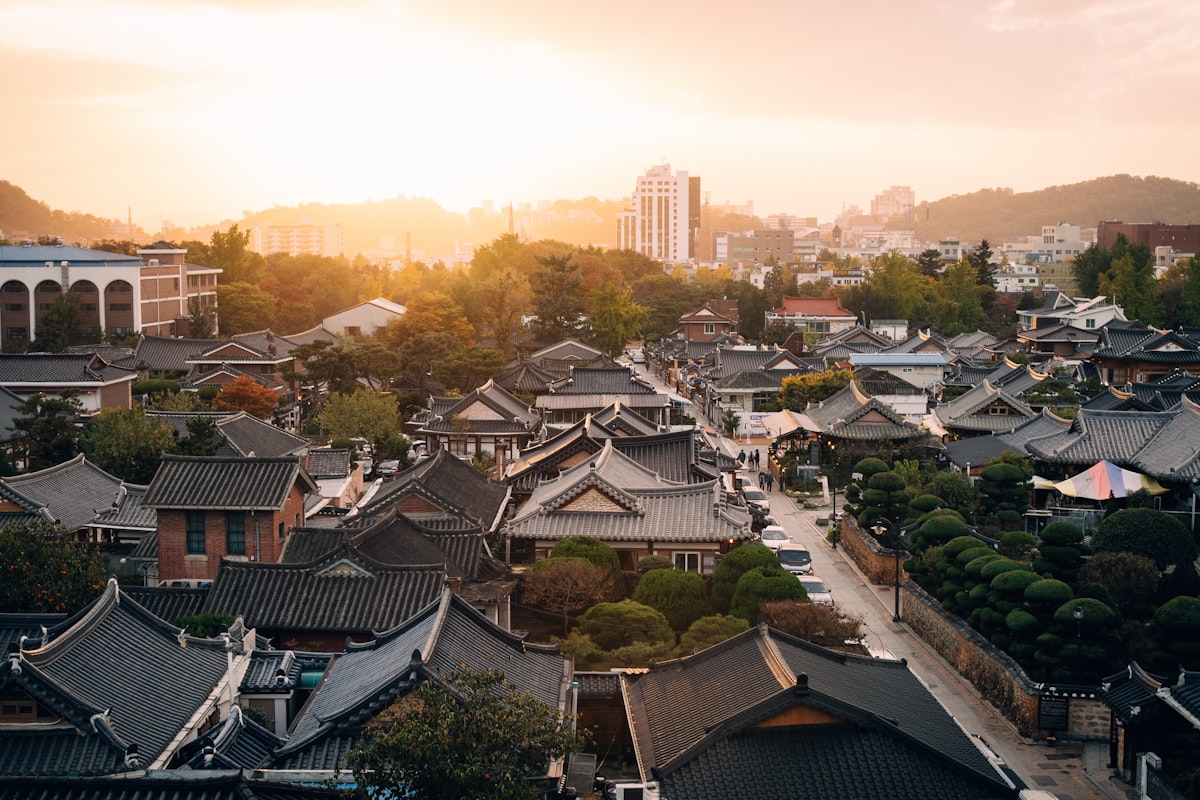
Jeonju is Korea's undisputed food capital and cultural heartland — birthplace of bibimbap, home to Korea's largest hanok village, and a city that has fiercely preserved its Joseon-era soul into the 21st century. ## Must-Visit Places - **Jeonju Hanok Village** — Over 700 traditional hanok houses clustered in the heart of the city. Stroll the alleyways in a rented hanbok and feel time stand still. - **Gyeonggijeon Shrine** — A sacred hall housing the portrait of Joseon's founder, King Taejo Yi Seonggye. - **Jaman Mural Village** — A hillside neighborhood where local artists have turned stairways and walls into a vibrant outdoor gallery. - **Jeondong Catholic Cathedral** — A stunning red-brick Romanesque church (1914), rising unexpectedly amid the hanok rooftops. - **Deokjin Park** — A beautiful lotus pond park, most spectacular in summer when the lotus flowers are in full bloom. ## Food & Dining - **Jeonju Bibimbap** — The original, definitive bibimbap. A colorful bowl of rice, namul, raw beef, and gochujang sauce. Try it at Gogung Restaurant. - **Kongnamul Gukbap** — Bean sprout rice soup eaten for breakfast. A staple hangover cure and Jeonju morning ritual. - **Makgeolli (Rice Wine)** — Jeonju makgeolli culture is legendary: bars serve rice wine alongside 10+ free snack courses. - **Choco Pie Tteok** — Korean rice cake wrapped in chocolate, born in Jeonju and now famous nationwide. ## Must-Buy Shopping - **Hanji (Traditional Paper) Products** — Jeonju is Korea's hanji capital. Notebooks, lamps, fans, and decorative items. - **Gochujang (Red Pepper Paste)** — Premium Jeonju-style gochujang, fermented in earthen pots. - **Makgeolli Gift Sets** — Artisan bottles of Jeonju rice wine in decorated ceramic packaging. - **Traditional Crafts** — Handmade fans, lacquerware, and natural dye textiles from village artisan shops.

Korea's steel city meets the sea — Pohang balances its identity as a global industrial powerhouse with some of the East Sea's most dramatic coastline, including the country's most famous sunrise spot and a thriving raw fish culture. ## Must-Visit Places - **Homigot Sunrise Square (호미곶 해맞이광장)** — Korea's most celebrated sunrise destination; a giant bronze hand sculpture rises from the sea at the country's easternmost tip, drawing thousands on New Year's Day - **Bogyeongsa Temple & Waterfall Valley (보경사)** — A serene mountain temple surrounded by 12 waterfalls and lush forest, ideal for a summer day trip - **Jukdo Market (죽도시장)** — One of the East Coast's largest fish markets; raw fish restaurants on the upper floors serve the freshest hoe platters imaginable - **Yeongildae Beach (영일대해수욕장)** — The city's main beach with a striking observation pier stretching 500m over the sea - **POSCO Museum (포스코 역사관)** — Fascinating look at how a single steel mill transformed a fishing village into a modern industrial city ## Food & Dining - **Mulhoe (물회)** — Pohang's signature dish: raw fish in icy cold spicy broth, eaten like a soup or poured over rice; refreshing and addictive - **Gwamegi (과메기)** — Half-dried frozen Pacific saury or herring, a coastal winter delicacy unique to this stretch of coast; eaten wrapped in seaweed and kimchi - **Hoe Platter (회모둠)** — Ultra-fresh sashimi at Jukdo Market's second-floor restaurants, paired with spicy dipping sauces - **Daegui (대게구이)** — Grilled snow crab legs; the nearby port of Guryongpo is famous for snow crab season (winter–spring) ## Must-Buy Shopping - **Gwamegi** — Vacuum-packed half-dried saury; the quintessential Pohang souvenir, especially in winter - **Snow Crab Products (대게)** — Processed crab meat and seasoned roe from Guryongpo's crab markets - **Dried Seafood Bundles** — Dried squid, anchovies, and seaweed from Jukdo Market - **Homigot Sunrise Merchandise** — Ceramic figurines and prints of the iconic hand sculpture, sold at the cape's gift shops

## Seongsu — Seoul's Brooklyn Once a gritty industrial district of tanneries, shoe factories, and printing houses, Seongsu-dong has reinvented itself as Seoul's most creative and talked-about neighbourhood — earning comparisons to Brooklyn, Shoreditch, and Williamsburg from visitors worldwide. The transformation kept the bones: raw concrete, exposed brick, rusted corrugated steel, and factory skylights remain, but inside them are now Seoul's most design-forward cafés, concept stores, artisan workshops, and the rotating pop-up brand installations that draw global companies like Nike, Gentle Monster, and New Balance to open their Korean flagship experiences here. **Why visit** - **Café culture at its peak:** Seongsu has the highest density of design-forward cafés in Korea — many in former factories and warehouses, with soaring ceilings and industrial interiors that no other neighbourhood can replicate - **Pop-up brand culture:** Global and Korean brands choose Seongsu for their most ambitious pop-up experiences — the neighbourhood feels like a live magazine editorial - **Seoul Forest:** A vast 590,000 m² park along the Han River with deer, wetlands, and mirror-calm reflecting pools — one of Seoul's finest green spaces - **Artisan craft:** The traditional handmade shoe district (sujehwa) has survived alongside the new wave — cobblers and craftspeople share blocks with third-wave coffee shops - **Genuine authenticity:** Unlike Hongdae or Insadong, Seongsu still has working factories, long-time residents, and local pojangmacha alongside the trend-setting newcomers **Getting there:** Seongsu Station (Line 2) is the main access point. Seoul Forest Station (Bundang Line) for the park end. Most of the neighbourhood is walkable from either station.
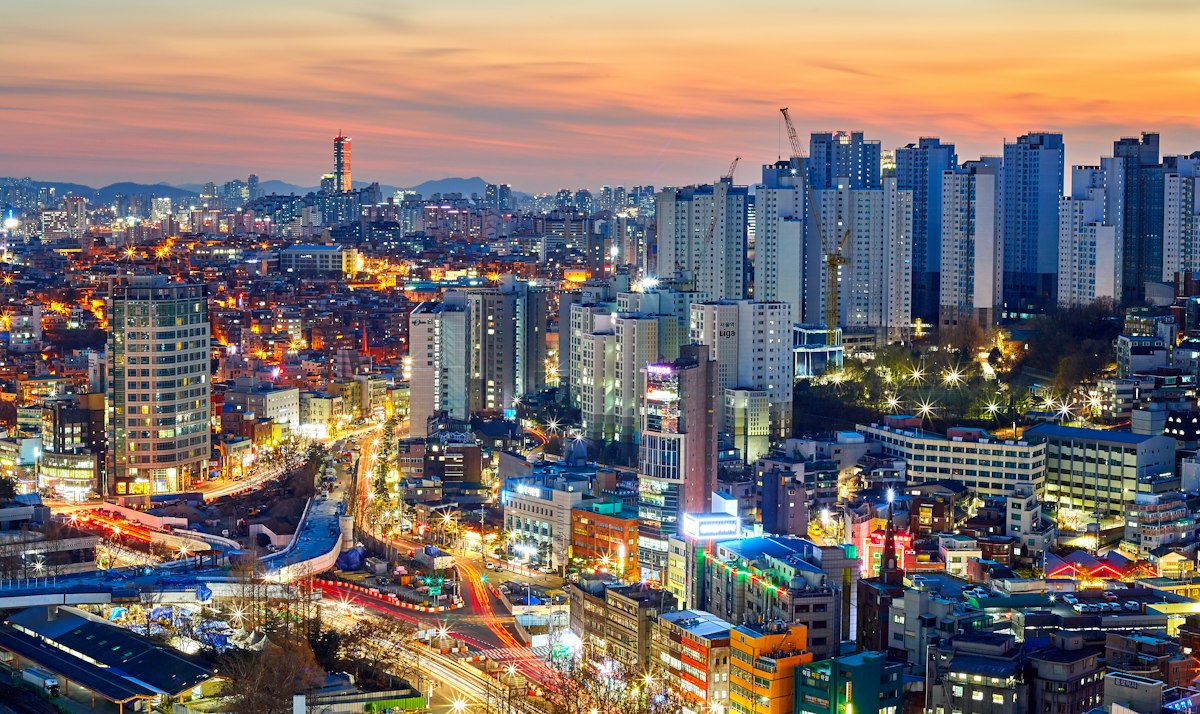
Seoul is South Korea's dynamic capital — a city where ancient palaces stand beside futuristic skyscrapers, and where K-pop, K-beauty, and Korean cuisine take the world by storm. ## Must-Visit Places - **Gyeongbokgung Palace** — The grandest of Seoul's Five Grand Palaces, built in 1395. Don't miss the daily Changing of the Guard ceremony. - **Bukchon Hanok Village** — A maze of centuries-old traditional Korean houses (hanok) with sweeping views of the city skyline. - **N Seoul Tower (Namsan)** — Seoul's iconic landmark. Take the cable car up for panoramic 360° views, day or night. - **Myeongdong** — The beating heart of K-beauty shopping and street food. Hundreds of cosmetic stores line every alley. - **Insadong** — Seoul's cultural artery, packed with traditional tea houses, galleries, antique shops, and artisan craft stores. - **Hongdae** — The college district where indie music, street performances, quirky cafés, and K-pop culture collide. - **Dongdaemun Design Plaza (DDP)** — A striking futuristic architecture marvel hosting fashion shows and design exhibitions around the clock. ## Food & Dining - **Korean BBQ** — Samgyeopsal (pork belly) and galbi (beef short ribs) grilled at your table. Best experienced in Mapo-gu or Hongdae. - **Tteokbokki** — Chewy rice cakes in spicy gochujang sauce. A must-try street food, especially around Sindang or Gwangjang Market. - **Gwangjang Market** — Seoul's oldest market. Grab a seat and feast on bindaetteok (mung bean pancakes) and mayak gimbap. - **Samgyetang** — Whole young chicken stuffed with ginseng and rice, slow-cooked to perfection. Best during summer. - **Naengmyeon** — Ice-cold buckwheat noodles in chilled broth or spicy sauce. Refreshing in summer, iconic year-round. ## Must-Buy Shopping - **K-Beauty Products** — Stock up on skincare at Olive Young, Innisfree, and The Face Shop — far cheaper than abroad. - **K-Pop Merchandise** — Official albums, photocards, and fan goods from HYBE, SM, and YG flagship stores. - **Korean Red Ginseng** — Premium health supplements from KGC (Cheong Kwan Jang); great gifts. - **Electronics at Yongsan** — Korea's tech hub with competitive prices on cameras, laptops, and accessories. - **Traditional Crafts at Insadong** — Handmade hanji paper goods, celadon pottery, and lacquerware.
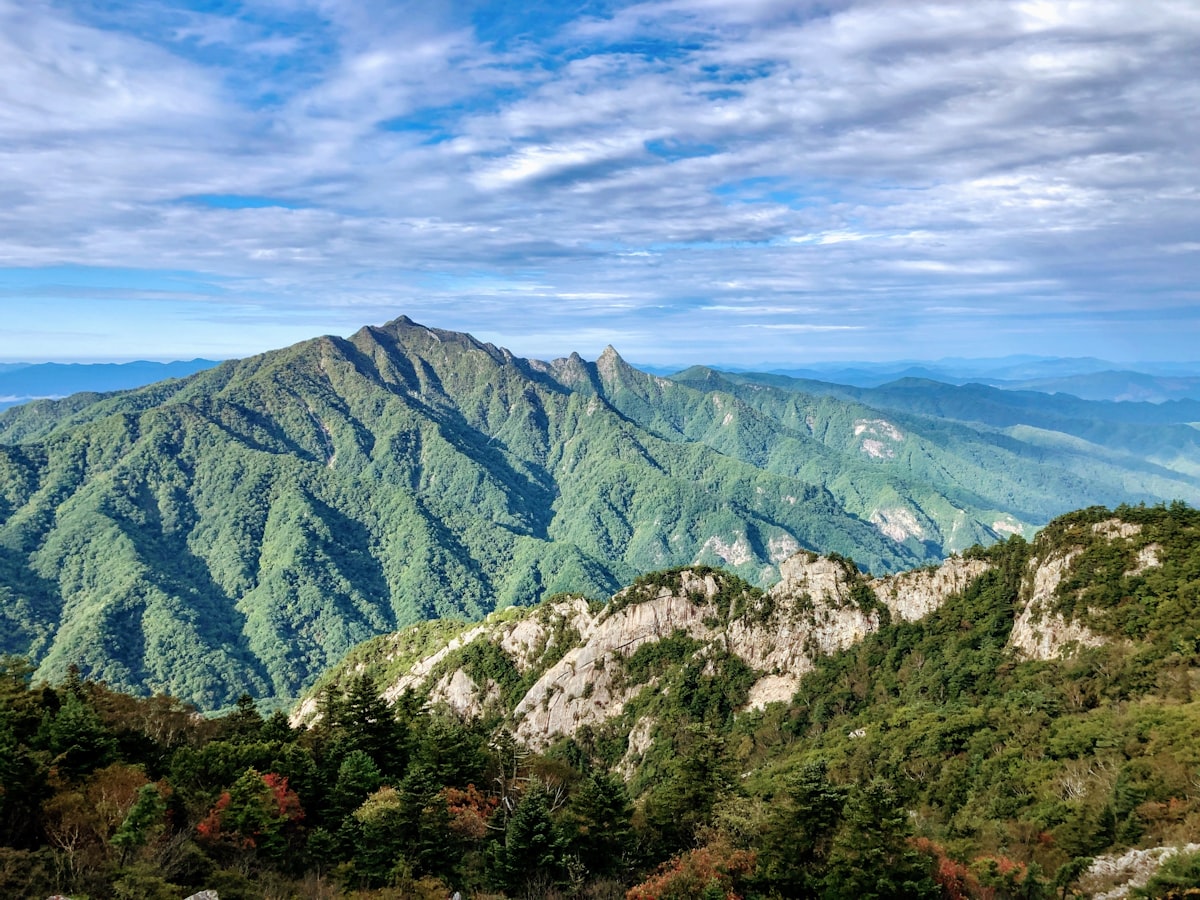
Sokcho is the eastern gateway to Korea's most dramatic mountain wilderness — Seoraksan National Park — combined with a charming port town famous for stuffed squid, fresh seafood, and a unique refugee village that preserves the flavors of North Korea. ## Must-Visit Places - **Seoraksan National Park** — One of Korea's most breathtaking national parks, with jagged granite peaks, lush valleys, and crimson autumn foliage. Take the cable car to Gwongeumseong for panoramic views. - **Sokcho Beach** — A clean, uncrowded beach right in town, backed by the dramatic Seoraksan silhouette. - **Abai Village** — A poignant refugee settlement founded by North Korean refugees after the Korean War, with unique North Korean food culture. - **Naksansa Temple** — A cliff-perched Buddhist temple overlooking the East Sea, with a stunning 15-meter bronze Avalokitesvara statue. - **Daepo Port** — A working fishing port with the freshest seafood restaurants in town. ## Food & Dining - **Ojingeo Sundae (Stuffed Squid)** — Sokcho's star dish: whole squid stuffed with glass noodles, vegetables, and pork, then steamed. - **Dakgalbi** — Spicy stir-fried chicken with chewy rice cakes. Sokcho and neighboring Chuncheon are the dakgalbi capitals of Korea. - **Abai Sundae** — North Korean–style blood sausage from Abai Village, made thicker and heartier. - **Memil Makguksu** — Buckwheat noodles in a chilled broth, a regional specialty of Gangwon Province. ## Must-Buy Shopping - **Dried Ojingeo (Squid)** — Sokcho's most iconic product. Vacuum-packed dried squid from the market. - **Myeolchi (Dried Anchovy)** — Premium East Sea anchovies, excellent quality here. - **Pine Mushroom (Songyi) Products** — Gangwon Province's prized pine mushrooms in oils, sauces, and dried forms. - **Mountain Herbs & Wild Greens** — Dried gondre, gosari, and other Seoraksan mountain vegetables.

Korea's ecological capital — Suncheon is built around one of the world's five great coastal wetlands, a UNESCO-designated reed marsh that shelters migratory birds, while the city itself offers a bamboo forest, a Joseon-era folk village, and a famous TV drama filming set. ## Must-Visit Places - **Suncheon Bay Wetlands (순천만 습지)** — A UNESCO-recognized tidal flat and reed marsh; at sunset, the serpentine waterways glow orange and flocks of migratory black-faced spoonbills gather - **Juknokwon Bamboo Forest (죽녹원)** — A serene grove of towering bamboo stalks with walking trails; especially atmospheric in mist and rain - **Naganeupseong Folk Village (낙안읍성)** — A fully preserved Joseon-era walled village with 300-year-old homes still inhabited by real residents - **Suncheon Drama Set Village (순천 드라마촬영장)** — Open-air set recreating 1960–80s Korean neighborhoods used in dozens of hit TV dramas - **Songgwangsa Temple** — One of Korea's three "jewel temples," a major center of Son (Zen) Buddhism deep in the mountains ## Food & Dining - **Jeongsik (정식)** — Suncheon's elaborate Korean table d'hôte; 20+ small dishes served in traditional lacquerware - **Gulbi (굴비)** — Salted and dried yellow corvina; the classic accompaniment to rice in Jeolla cuisine - **Ddeokgalbi** — Minced grilled beef patties, a Jeolla-do staple; tender and richly seasoned - **Suncheon Bay Clam Dishes** — Freshwater clam soup (재첩국) and grilled clams harvested from the bay wetlands ## Must-Buy Shopping - **Naganeupseong Traditional Makgeolli** — Unfiltered rice wine brewed inside the folk village; buy it fresh at the village entrance - **Reed Craft Products (갈대 공예)** — Handwoven reed baskets, mats, and decorative items made from Suncheon Bay reeds - **Suncheon Gulbi** — Vacuum-packed salted corvina for home cooking - **Bamboo Products** — Small bamboo utensils, steamers, and containers from craft shops near Juknokwon
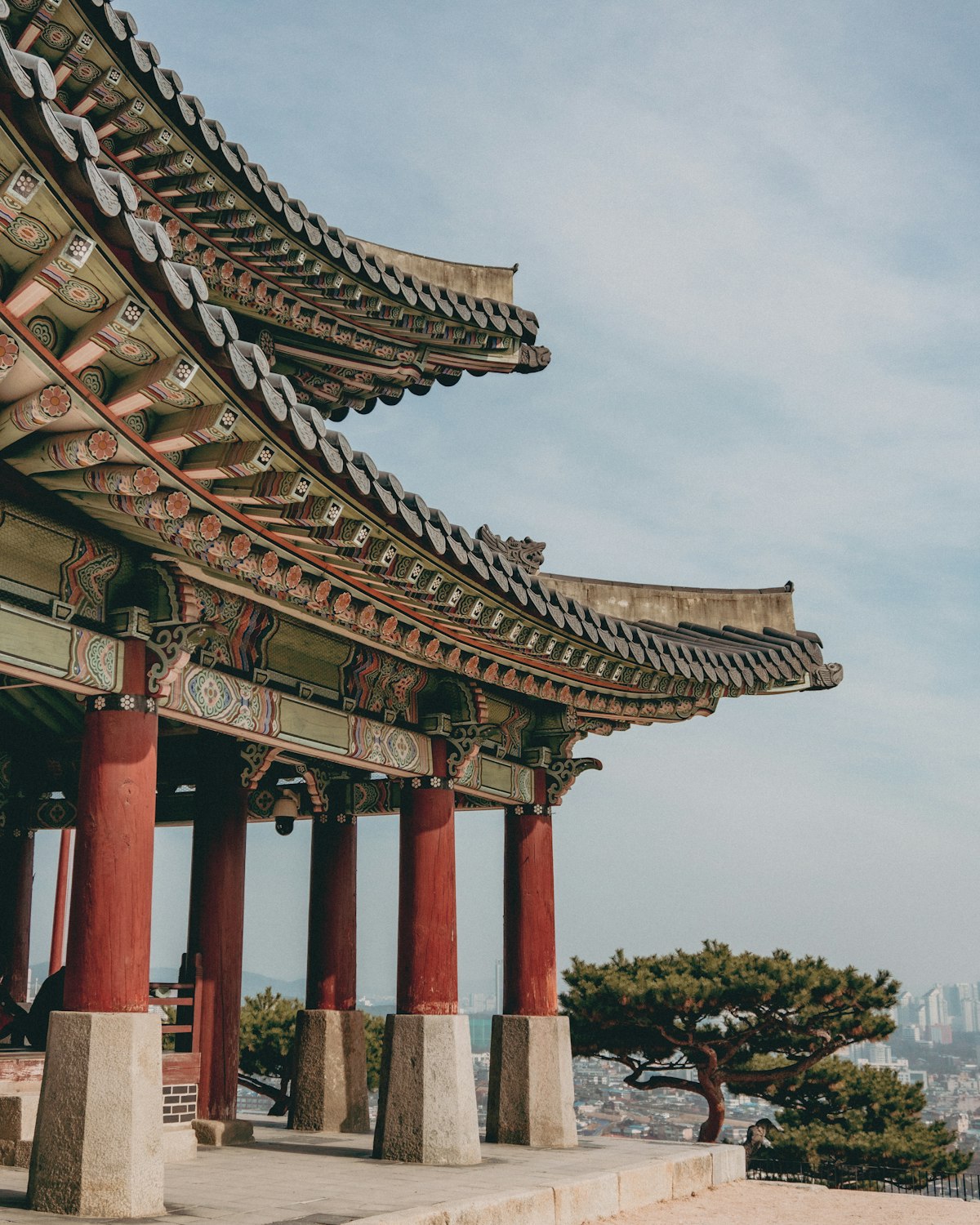
Suwon is the proud home of Hwaseong Fortress — one of the most spectacular UNESCO World Heritage fortifications in Korean history — combined with legendary galbi BBQ that has made the city famous among food lovers. ## Must-Visit Places - **Hwaseong Fortress** — A UNESCO World Heritage masterpiece built 1794–1796 by King Jeongjo. Walk the 5.7 km wall circuit through towers, gates, and command posts. - **Hwahongmun Water Gate** — The fortress's stunning water gate spanning the Suwoncheon Stream; especially beautiful at night. - **Hwaseong Haenggung Palace** — King Jeongjo's temporary palace within the fortress walls, with traditional performances and archery demonstrations. - **Korean Folk Village** — A living open-air museum of traditional Korean life and architecture just outside the city. - **Gwanggyo Lake Park** — A modern urban retreat with a scenic lakeside trail. ## Food & Dining - **Suwon Wanggalbi (King Short Ribs)** — Suwon's legendary dish. Enormous, thick-cut beef short ribs marinated and grilled, best near Paldalmun Gate. - **Galbi Tang (Short Rib Soup)** — A slow-simmered, clear beef rib soup — delicate and deeply comforting. - **Korean Fried Chicken** — Suwon has a strong fried chicken culture with excellent spots throughout the city. ## Must-Buy Shopping - **Galbi Sauce & Seasoning Kits** — Take home the flavors of Suwon's famous galbi with pre-marinated sauce sets. - **Hwaseong Fortress Souvenirs** — Official UNESCO fortress memorabilia, replica stamps, and history-themed items. - **Paldalmun Market** — A traditional market near the fortress gate; great for local produce and snacks.

Korea's surf capital — a laid-back east coast town where consistent waves, pine-fringed beaches, and a thriving café culture have turned this once-sleepy fishing village into the hippest coastal getaway in the country. ## Must-Visit Places - **Jukdo Beach (죽도해변)** — The epicenter of Korean surfing; consistent swells, surf schools, and a buzzing beach bar scene - **Ingu Beach (인구해변)** — A wider, mellower stretch of sand popular with families and beginner surfers - **Naksansa Temple (낙산사)** — A dramatic clifftop Buddhist temple overlooking the East Sea, founded in 671 AD; the Haesugwaneumsang statue is iconic - **Hajodae Beach (하조대해수욕장)** — A secluded cove with unusual rock formations and a classic red lighthouse - **Seoraksan National Park** — Less than an hour away; dramatic granite peaks, waterfalls, and autumn foliage ## Food & Dining - **Fresh Salmon (연어)** — Yangyang sits on the Namdae River where wild salmon run; sashimi-grade salmon at local restaurants is extraordinary - **Octopus Dishes (낙지·문어)** — Grilled and raw octopus platters at the harbor fish market - **Pine Mushroom (송이버섯)** — Autumn brings prized pine mushrooms from nearby mountains; in soups, grills, and rice dishes - **Seafood Ramen at Surf Cafés** — The beach café scene serves creative fusion dishes — try the seafood ramen with a craft beer ## Must-Buy Shopping - **Pine Mushroom Products (송이)** — Dried pine mushrooms or pine mushroom tea; premium autumn souvenir - **Local Surf Goods** — Branded rash guards, wetsuits, and tote bags from Yangyang's surf shops - **Smoked Salmon** — Vacuum-packed smoked Namdae River salmon, perfect for travel - **Seaweed & Dried Seafood** — Bundles of locally harvested seaweed and anchovies at the traditional market
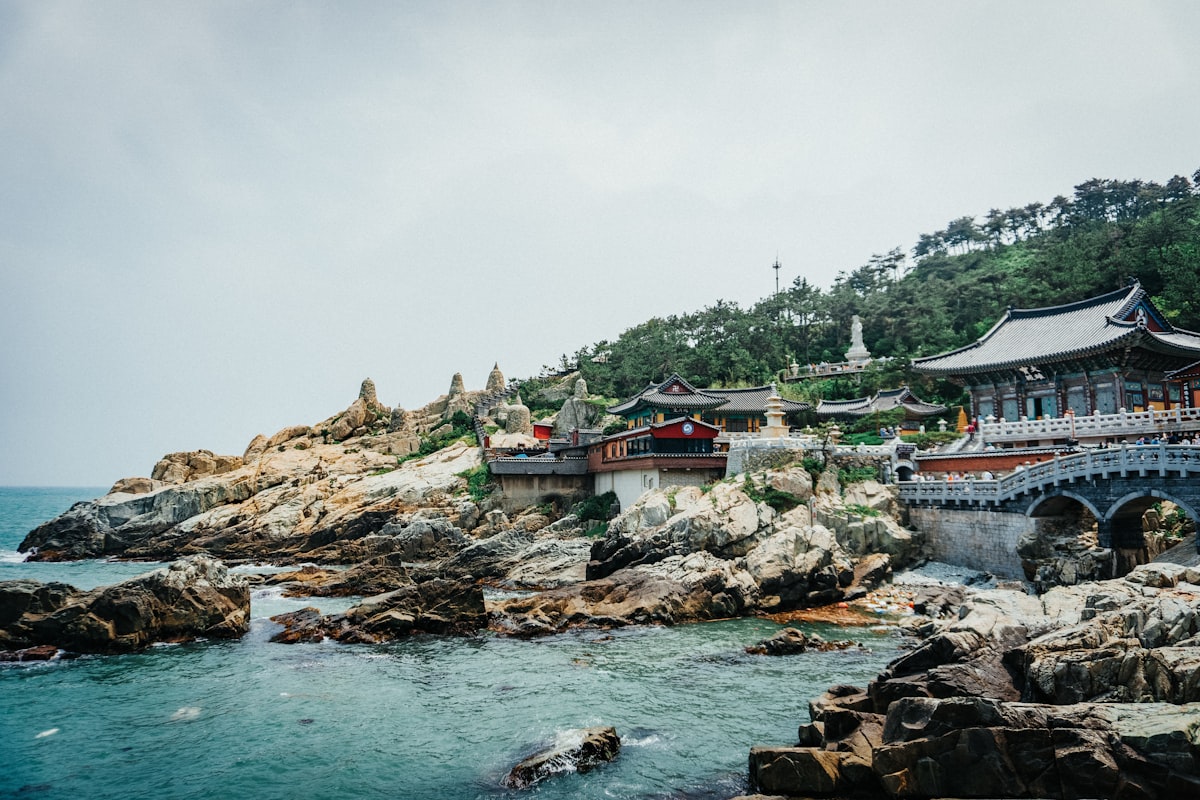
Korea's most romantic port city — Yeosu's glittering night sea, island-dotted horizon, dramatic bridges, and legendary seafood have made it one of the country's most beloved travel destinations and the subject of one of Korea's most popular songs. ## Must-Visit Places - **Odongdo Island (오동도)** — A camellia-covered island connected by a 768m causeway; stunning in February when 3,000+ camellia trees bloom - **Maritime Cable Car (해상케이블카)** — Gondolas soaring over the harbor connecting Dolsan Island to the mainland; breathtaking views day and night - **Jinnamgwan (진남관)** — Korea's largest surviving single-story wooden structure, a National Treasure built to commemorate Admiral Yi Sun-sin's victories - **Dolsan Bridge (돌산대교)** — An illuminated suspension bridge that defines Yeosu's iconic nightscape - **Hyangiram Hermitage (향일암)** — A cliff-hanging Buddhist hermitage facing the sunrise, perched dramatically above the sea ## Food & Dining - **Gejang (게장)** — Marinated raw crab — Yeosu's signature dish; served over hot rice for what locals call "rice thief" (밥도둑) - **Dolsot Bibimbap** — Stone-pot mixed rice with local vegetables and seafood toppings - **Grilled Conch (소라구이)** — Fresh sea snails grilled tableside at harborfront restaurants - **Galchi Jorim (갈치조림)** — Braised hairtail fish in spicy sauce; Yeosu's hairtail is prized for its size and freshness - **Night Market (여수 밤바다 야시장)** — The harbor night market is the best place to graze on skewers, pancakes, and seafood snacks with a view ## Must-Buy Shopping - **Dried Gejang** — Vacuum-packed marinated crab products to bring home - **Dolsan Mustard Kimchi (돌산 갓김치)** — Tangy, peppery kimchi made from Dolsan Island's unique mustard leaf; a beloved regional specialty - **Hairtail Products** — Dried and seasoned galchi snacks from the waterfront market - **Yeosu Night-view Goods** — Local art prints and photo books capturing the famous night seascape